
You have no items in your shopping basket.
RSS

Plumbing & Central Heating Related Posts

How to Cope with a Plumbing Emergency

Plumbing emergencies come in all shapes and sizes, from blocked toilets and leaking radiators to burst pipes and broken taps. However, some problems are more urgent than others. For example, you shouldn’t ignore a blocked toilet or a burst pipe whereas a leaking radiator could be left for a bit longer as long as you placed a container under the leaking section of pipe. So if the worst happens and you end up dealing with a plumbing emergency, what do you need to do?
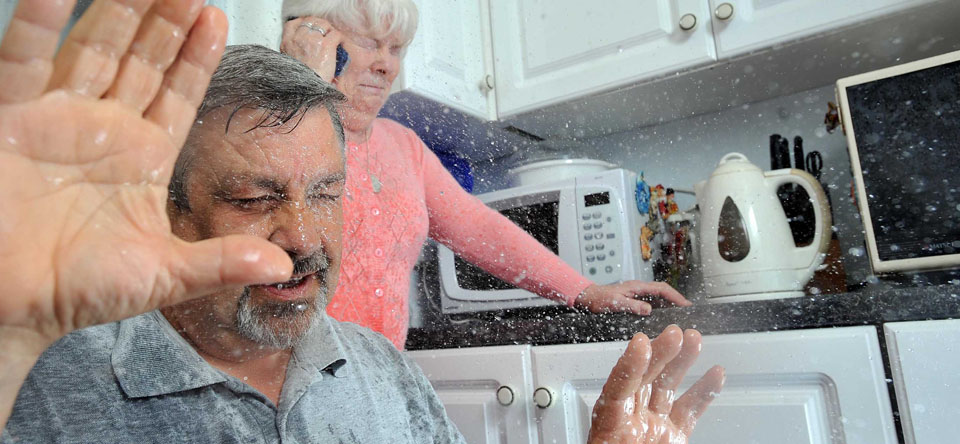
Burst water

Turn the Water Off Immediately

Hopefully you will know where the stop tap is in the event of a plumbing emergency. In most houses the stop tap is either under the kitchen sink or where the water meter is. However, it could be outside or in a basement if you have one. If you don’t have a clue, it is a seriously good idea to find out well in advance where the stop tap is, or you could end up with a larger than necessary flood should the worst happen and a pipe bursts.

Do Some Damage Limitation

Once water starts spewing everywhere, you need to try and contain the mess as quickly as possible. Grab bowls and place them under the leak to catch as much water as you can. If this isn’t practical for whatever reason, use towels to soak up the water until you are able to disconnect the water supply. If the water is leaking out faster than you can cope with, find someone to empty pots and bowls, or help you scoop water out and into the nearest drain.

Move Furniture and Valuables Out of the Way

Water can wreak havoc as anyone affected by flooding will be all too aware. Water soaks into soft furnishings and carpets very easily, and therefore causes a lot of damage in a short space of time. Water can also damage electrical goods, so it is a good idea to move any vulnerable items well out of the way. If the leak is perilously close to electrical outlets or has already affected electrical equipment, be very careful before you move these items. To be on the safe side, turn off the electricity supply first.

Call the Emergency Plumber

Once you have done some damage limitation, if you are not in a position to fix the problem yourself, you need to contact an emergency plumber. Hopefully you already know a good plumber, but if you are forced to go looking online for someone local, do make sure you are clear about what their call-out fee is before you ask them to come and fix the damage. Don’t forget to check whether you have emergency cover under an insurance policy—some bank current accounts offer this kind of extra as part of their package.

Deal with the Aftermath

De-humidifiers are very useful for drying out damp rooms in the aftermath of a leak. Sodden carpets and furnishings can take a while to dry out, particularly in the winter. A de-humidifier can speed up the process and make the room habitable a lot quicker. And if the damage is extensive, consider claiming on your home insurance policy to replace your old leaky radiator for new ADIGE towel radiators.

Help! My Boiler Isn't Working!

There are very few things more annoying in life than a broken down central heating boiler. Boilers invariably break down at the most inconvenient time—typically when the temperature outside is below zero and your bank account is running on empty. But before you call out a heating engineer, there are a few things you should check.

No Fuel

Mains gas boilers don’t run out of fuel because the gas supply is continuous (unless you have been cut off for any reason), but if you have an oil or LPG boiler, check that you still have fuel in the tank.

Water Pressure is Too Low

If the water pressure inside the boiler falls below a certain level, the boiler will stop working. This can happen for many reasons, but recent plumbing work is a common cause of low water pressure. For example, if you have removed a radiator from the system or you had a leak, you should always top up the water pressure inside the boiler. A failure to do so will cause the boiler to lock out. A noisy boiler is an early warning sign of low water pressure, so be alert.

Boiler Lock-Out

Is the boiler lock out light on? If in doubt about what you are looking at, check the manual, but if the lock out light is on, press the reset button to get the boiler going again. All being well the boiler should resume normal service without any problem, but if it keeps locking out you need to call a heating engineer to identify what the underlying problem is.

Pilot Light

Gas boilers have a pilot light, so check whether this is lit. If it isn’t, try re-lighting it.  Sometimes a strong draft can blow the pilot light out, but should the problem recur, you have a more serious problem to contend with.

Check the Power

It may sound obvious, but is there any power to the boiler? Check to see if there are lights on and if there is no sign of life, try replacing the main fuse.

Dodgy Thermostat

The room thermostat is supposed to tell the boiler when to come on. If your boiler has failed to fire up even though it would normally be on at this time, check the thermostat control panel. If it is a wireless unit, try replacing the batteries, and if all else fails, press the re-set button.

Frozen Condensate Pipe

This is a problem associated with exceptionally cold weather. A condensate pipe removes waste water from the boiler, usually into an outside drain. Unfortunately, condensate pipes are prone to freezing when the temperature drops too low. When the pipe freezes it creates a blockage and water backs up inside the boiler, triggering a lock down. The condensate pipe will need to be thawed out, but this must be done very carefully. Use warm water or a heat pad to gently thaw out the pipe, and if in doubt, call a qualified heating engineer.

Call the Engineer

Boilers are tricky things and there are many things that can go wrong with them. Once you have checked all the obvious things and the boiler still isn’t working, it is time to call out an engineer. Hopefully you have a maintenance contract and the visit won’t cost you a thing, but if you don’t, make sure you know exactly what the call-out charge is so you don’t have any nasty surprises later.

Regular Servicing

One way to prevent boiler breakdowns is to have an annual service. Regular servicing will help to prevent minor problems from snowballing into major issues, as well as make sure your boiler is safe to use.