
You have no items in your shopping basket.
RSS

General DIY, Renovation & Decoration Related Posts

Add Style to Your Kitchen with a Designer Radiator

Kitchen makeovers are rarely cheap unless you have been lucky enough to be selected by a TV makeover programme to have the work done for free. And if you have, don’t start congratulating yourself yet because you could end up with a monstrosity only a flamboyant designer could love.

Because cost is such an issue, or at least it is for the majority of people, it is often tempting to try and cut corners on the budget. So instead of ripping out everything and starting with four walls and a window, you decide to keep the existing radiator and flooring in the hope that nobody will notice. But this is a huge mistake if you want the end result to be super stylish. It won’t be as expensive as you think to replace your old, slightly rusty radiator with a smart new designer towel radiator and the end result will be well worth it.

Does My Kitchen Need a Radiator?

Unless your home is still at the design stage, it is highly likely that you have at least one radiator in your kitchen. Radiators are a standard feature in the majority of UK homes and are designed to heat the space in rooms, kitchen included. However, since there are other sources of heat in a kitchen, most notably the oven, it may be that your kitchen is toasty warm without needing an extra source of heat.

If you are not sure whether a radiator is necessary, consider what else throws out heat in your kitchen. Do you have an Aga for example? If so, you can probably do without a radiator unless the Aga is for show only. You may also be able to manage without a kitchen radiator if you have a wood burning stove or similar in the kitchen. 

A Multi Functional Appliance

Before you opt to do without a radiator, remember that a radiator is more than just a source of ambient heat. Most people use radiators for other things. For example, radiators can be used to dry clothing, tea-towels, etc. They are very useful for hanging damp tea-towels and hand towels. They are also great for drying small items of laundry on damp days. So if you currently use your kitchen radiator for all that and more, or if the dog likes to have snooze beneath it on cold days, think twice before removing it and tossing it in the skip during your kitchen renovation.

Install a Designer Kitchen Radiator

Once you have established that you can’t possibly live without a kitchen radiator, the next stage is to consider whether (or not) you can live with the existing one. This will probably be an easy decision to make if you are spending lots of money on a designer kitchen and the existing radiator is old, chipped and rusty. But even if you are trying to save money on the project, a new radiator won’t break the bank and it will more than pay for itself when the kitchen installation is complete and you survey your smart new room.

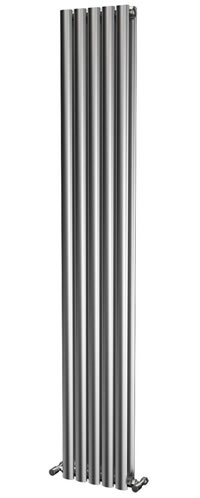
Designer kitchen radiators come in many different styles and are available to suit all budgets. A beautifully sleek, vertical radiator will really add something special to a smart, modern kitchen design and a polished chrome radiator is the perfect accompaniment to a designer kitchen. You can use a towel radiator to hang towels, damp dish clothes and miscellaneous items when the weather is cold and wet outdoors.
Vertical Radiator

And finally, don’t forget that your old radiator has scrap value. Don’t throw it in the skip – instead take it to your local scrap merchant and pocket a bit of cash. You can put this towards the cost of a new designer radiator!
Inject Comfort and Charm into Your Living Room with a New Radiator

Few things speak about the quality and ambiance of your home like the living room does. An area that, by definition, brings life into the home, the living room provides ample opportunity to express creativity, embrace functionality and enjoy the company of others. For many, the living room is the centrepiece of the home but may not be at the actual centre of the home. The trouble with many home heating systems is that they distribute heat unevenly throughout the house, causing some rooms to be less comfortable than others. The addition of a home radiator to various rooms throughout the home can produce added value, wintertime comfort and – when done properly – actually enhance the aesthetic charm of the room. We'll outline a few designs that can incorporate a radiator into your living room while not having to sacrifice beauty or your existing floor plan.


Column Radiators Near the Windows

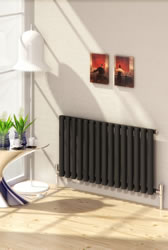
Many people think of bulky, old-fashioned radiators when the word is mentioned, but modern design and technological innovation have produced new versions that look beautiful and provide more efficiency. Column radiators are one of these examples, which measure anywhere from one to two metres in length and can be affixed to any wall or compatible surface. Our range of anthracite column radiators for instance, resemble drawn-back curtains or window shutters when paired on each side of a window. With finishes in stainless steel, anthracite, black and white, you'll be able to find one or more column radiators that go well inside the home. Others decide to place these near the front door in the living room, as a design element that resembles a wall-mounted coat rack or something similar.

Oliver


Sena

Horizontal Radiators Near the Floor

Many people use wallpaper or decorative accents along the lower half of their living room walls to add a bit of flare and character to the room. Raised elements in particular can break the monotony of an otherwise dull, drab room. This is where and why a horizontal radiator can be an excellent addition to the living room.


Besides the heating functionality that it will provide, horizontal radiators from Neva, Bonera and Sena come in multiple colours and can be used with virtually any existing design schematic. Our horizontal radiators look especially good in contrast with light coloured walls and wood floors; a studio apartment design or post-modern ambiance in the home can be accentuated even more through the addition of such a unit.


Vertical Radiators Everywhere Else

Last but not least, you have the option of adding a vertical radiator to the living room as both a design element and a heating source. With models from Oria, Cascia, Amara and others, these vertical radiators look more like pieces of art than they do home heating solutions.


Available in stainless steel, black and white finishes – with a variety of altered shapes, curves and designs to consider – you'll be able to find something that makes a bold statement while being a functional product at the same time.


One of our most aesthetically pleasing vertical radiators is the Bonera 324mm/1800mm Designer Vertical Radiator; when you see it, you'll understand why.  Of for a bathroom, you can opt-in for our Lemina designer anthracite towel radiator.

Xeina

Having a comprehensive heating element in the living room no longer has to be an ugly, obstructive affair. ADIGE Towel Radiators strives to keep the most aesthetically-pleasing and best performing home radiators, designer towel radiators and other heating solutions in stock to give you absolute say in what your living room can truly be. If you're desiring comfort and charm while lounging about for your next design project, then our selection of radiators will provide you with the ability to start the project off right.

Give Your Bathroom a Seaside Makeover

Bathrooms are no different to any other room in the home—they look fantastic when you first have a new bathroom suite fitted, but as the months and years pass, the décor begins to fade and everything starts too look tired and past its sell by date. Ripping out the entire bathroom is a costly exercise, but don’t despair because there are cheaper ways of giving your bathroom a fresh new look. So if the seaside appeals, here are a few tips on how to give a bathroom a seaside theme.

Paint the Bathroom in Seaside Colours

Use colour to create a seaside theme in an otherwise boring bathroom. Paint the ceiling pale blue and continue the blue colour down the walls about two thirds of the way. Next, using a soft cloth or sponge and some white paint, paint fluffy clouds on the ceiling for a touch of tranquillity. Wood cladding also goes well in a seaside themed bathroom, so use tongue and groove cladding for the lower wall and bath panel. Paint it with diluted white paint.

Distressed Beach Wood

Distressed wood is perfect for a seaside bathroom. Look for storage cabinets and shelves made from distressed or whitewashed wood. Alternatively, buy an old cupboard, sand it down, wash it with diluted paint, and then apply a coating of protective wax.

Use Pretty Sea Shells

Sea shells are perfect for a seaside themed bathroom. Bags of small shells can be bought from shops in coastal resort towns, or you can spend an afternoon collecting your own shells. These can then be used to create an attractive decorative feature around mirror frames or along the edge of your tongue and groove wall cladding. Alternatively, if you can’t find any shells, improvise and stencil some shells on to the wall or buy a few shell design decorative tiles.

Choose a Watery Themed Floor

A new floor will add some pizzazz to an old bathroom, but if you are opting for a seaside theme, it is important to choose the right flooring. Vinyl floor is a good choice for a bathroom as it is relatively inexpensive, waterproof and easy to clean. There are some fantastic designs to choose from, including ones that look as if you have pebbles on the floor, which would be a great choice in a bathroom. You could also sand down the floorboards if they are in good condition and then wax or whitewash them for a distressed look.

Add Some Watery Accessories

Accessories really finish off a bathroom to perfection. For a seaside theme, look for accessories that have fishes, shells or boats as part of the design. An abstract pebble modern art canvas or a fishy shower curtain will look great. And don’t forget extras like a pebble toilet seat, a nautical striped bath mat or a window blind with a sea shell print.

Nautical Shelves

Shelves are always useful in a bathroom, so put up some shelves, paint them blue, and fill them with cute seaside themed ornaments such as miniature boats and fishes. And don’t forget to add designer towel radiators to complete the stunning new look.

The Dos and Don'ts of Adding an En Suite Bathroom

Once upon a time, a bathroom was the least important room in a home. In fact it wasn't until fairly recently that many homes had the luxury of indoor bathrooms at all.  In our grandparent's day, having a bath meant placing a metal tub in front of the fire and filling it with hot water. Everyone had to share the bath and the last person in was extremely unlucky. And as for the toilet, well as long as you didn't mind a trek outdoors and were not afraid of the dark and a few spiders, you were fine.

Thankfully times have changed and all modern homes come fully equipped with a bathroom large or small. Unfortunately, in a larger home, many families soon discover that having just one bathroom is simply not enough and everyone is forced to queue up in the morning just to have a shower.

Adding an en suite to the master bedroom can make life a lot easier, but only if the job is done properly. So what are the dos and don'ts of building an en suite and what pitfalls should you try and avoid?

Do Plan the Space Carefully

En suites are usually on the small side because you are 'borrowing' space from either the master bedroom or an adjacent room/cupboard. Because of this, you need to plan everything down to the tiniest detail. For example, say you want a large walk in shower, think about whether it will fit in the space and leave you enough room for everything else. If you are forced to work with very little space, look at space-saving sinks, bi-folding shower doors and space saving heated towel rails for small bathrooms.

Do Ensure there is Adequate Ventilation

Ventilation is always important in a bathroom of any description, but if the proposed en suite is internal, ventilation is even more important. Make sure that any extractor fan you install is sufficient for the space or you could end up with mould, mildew and all kinds of damp problems.

Don't Sacrifice a Bedroom

Whilst an en suite can add value to a property, it won't add value if you are building an en suite at the expense of a bedroom. Bedrooms sell houses and if you lose a bedroom any increase in value gained from a new en suite will be wiped out by the loss of a bedroom. You should also be careful of sacrificing excessive space in a bedroom. En suites are always a desirable selling feature, but not when the bedroom floor space has been slashed in half in the process and you can no longer reach the wardrobe without climbing over the bed.

Don't Use Dark Colours

Most en suites are very small and compact. This means that you need to be careful when planning the décor and choosing tiles, floor coverings and other decorative features. Black tiles and a dark floor might look sexy in a large, spacious bathroom, but in a tiny, windowless en suite you will probably feel as if you have been entombed every time you use the toilet. For best results, stick to white sanitary ware and light colours everywhere else. And don't forget to make sure you have adequate lighting.

Adding an en suite to the master bedroom can easily add between £10,000 and £20,000 to a property, but only if the conversion is done to a high standard. If you decide to do the work yourself, make sure you are proficient in all the necessary skills. And finally, make sure your boiler can cope with additions to the heating circuit.

Bathroom Designs

One room that is often overlooked when planning the interior design of a home is the bathroom. Bathroom designs are just as important for look and functionality as the design of a living room or dining room. It should be both a room one can be proud of and relax in while attending to their showers and personal grooming needs. There are some factors to keep in mind when planning the design of a bathroom, but if those factors are kept in mind the bathroom should become a small haven within the home.

Form and function are important but they can still be beautiful. There is no need to sacrifice the look one is going for in order to achieve the function they need. There are so many options for sinks, bathtubs, heated towel rails and the other important parts of  bathroom designs that one should be able to find just the right look with just the right function if they are willing to search for it. The options might be limited by space or budget but even with those constraints, the bathroom can still be made beautiful, warm and functional.

Colour is an important part of the bathroom design. Do not just choose one colour but try to choose complimentary colours that can be brought in to the design concept as accents with things like linens, shower curtains, and perhaps even art that is up on the walls. There are many companies that offer colourful counters, tiles, and other fixtures if a person wants to have some extra pop here and there. There are increasingly more options when it comes to bathroom design features that a person might wish to explore when planning the look and feel of their bathroom design.

Interior design is not just about the main rooms of a house. It is as important to have a bathroom design that one can be proud of and relax when taking that much needed shower or bath. It can contribute to a more polished look and feel within the entire home and can simply help a person be that much more proud of their property when it is done correctly. The bathroom is growing increasingly popular as the room that is frequently remodelled or redecorated in a home. Create a plan, hire the proper professionals including one that specializes in interior design if one is not comfortable doing it themselves, and then have fun with it.

Find more useful information on;
https://www.towelradiator.co.uk/blog